Enhance Your Home With Sleek Modern Roof Lanterns
Modern roof lanterns present a upscale solution for upgrading home lighting and space. These architectural features not only illuminate dark areas but also elevate the overall aesthetic of a room. Their flexibility in design and materials allows homeowners to adapt their spaces productively. However, choosing and installing the right lantern requires thoughtful consideration. Understanding these elements can transform a home's ambiance markedly. What factors should one keep in mind when making such an investment?
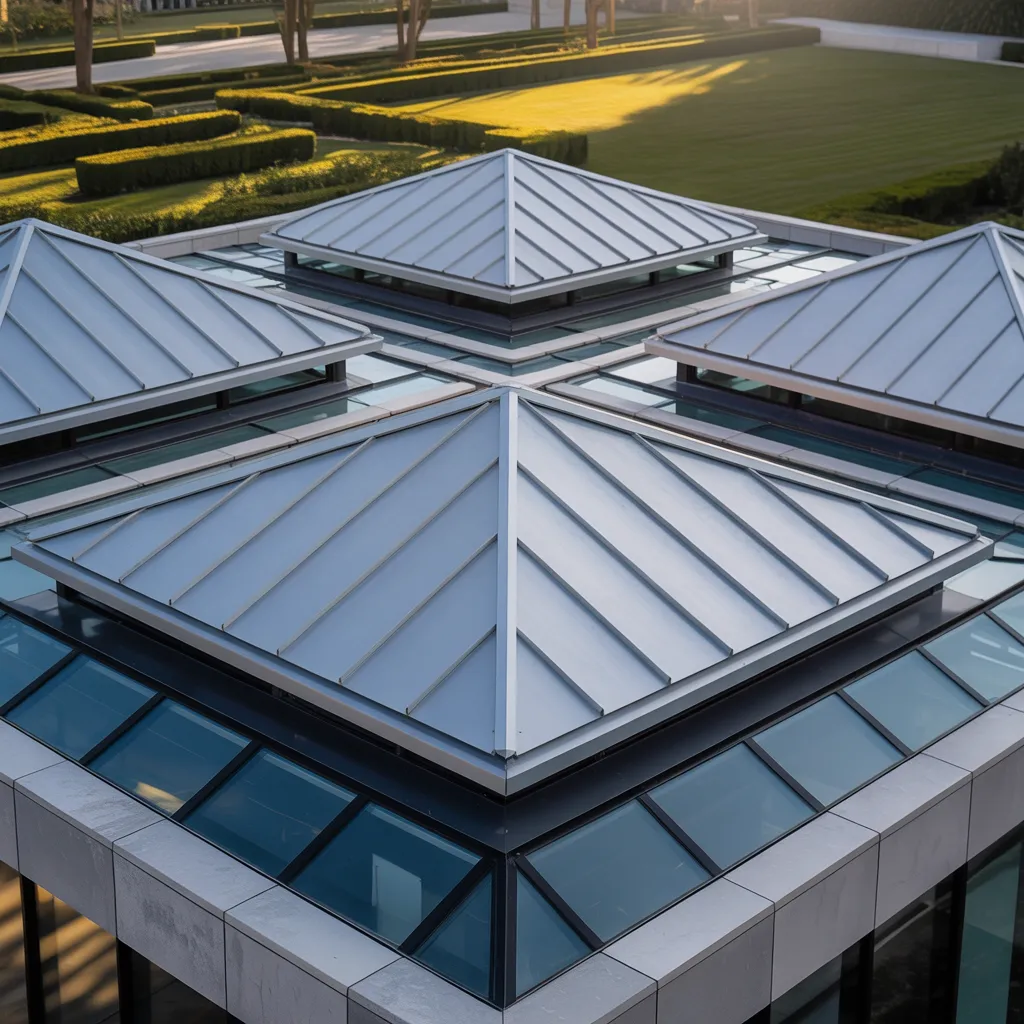
How Roof Lanterns Deliver Remedies for Lighting and Space Issues
Roof lanterns considerably increase daylight in internal areas, converting dimly lit areas into radiant. These design act not only to light up but also to generate an appearance of bigger. Positioned strategically, roof lanterns capture sunlight from above, thoroughly distributing it across the space. This natural illumination minimizes reliance on electric lights, encouraging fuel efficiency.
In addition to their lighting features, roof lanterns contribute to improved ventilation. Many designs incorporate operable skylights, allowing fresh air to flow, which is especially beneficial in kitchens and living areas. The aesthetic appeal of roof lanterns further elevates the overall design of a home. By bridging the gap between indoor and outdoor spaces, they create a seamless connection with nature. Ultimately, roof lanterns address both lighting and spatial challenges, making them a practical choice for contemporary interiors looking to maximize brightness and openness.
Picking the Optimal Appearance for Your House
When selecting the perfect style for a home, one must consider how a roof lantern can complement the overall architecture and interior design. Various styles of roof lanterns, from contemporary to traditional, offer distinct aesthetic benefits. For modern homes, sleek, minimalistic designs with clean lines enhance the space without overwhelming it. In contrast, classic Victorian or Edwardian styles can add a touch of elegance and charm to period properties.
Furthermore, the choice of substances serves as a vital part. Options such as aluminum, wood, or glass can influence the lantern's appearance and durability. Color also is important; a subdued color scheme may mix smoothly, while vibrant colors can establish a striking centerpiece.
Ultimately, the roof lantern should blend with the current design, enhancing the home's character while delivering a unified look. By thoughtfully considering these aspects, homeowners can select a roof lantern option that enhances their home.
Improving Organic Radiance and Design Appeal
Modern roof lanterns function as a valuable asset for amplifying daylight transmission, markedly lighting interior spaces. Their stylish architectural features not only strengthen the overall aesthetic charm but also provide practical benefits, such as improved energy efficiency. By integrating these elements, homeowners can create inviting environments while cutting reliance on artificial lighting.
Increasing Sunlight Access
Natural illumination plays a pivotal role in enhancing the atmosphere of interior spaces, making the strategic use of roof lanterns an important design element. By maximizing daylight exposure, these fixtures enhance the overall atmosphere while reducing reliance on artificial lighting. The placement and size of roof lanterns can greatly affect how light enters a room, allowing for an even distribution of brightness throughout the day. Furthermore, the clear materials commonly used in lantern construction create an unobstructed flow of light, producing a sense of openness. This integration not only promotes a welcoming environment but also accentuates architectural features, enhancing both functionality and aesthetic appeal. Ultimately, roof lanterns serve as a elegant solution for harnessing natural light, improving the home experience.
Elegant Architectural Features
Roof lanterns function as striking architectural features that seamlessly combine practical features with style. These elegant installations raise any area, drawing the eye towards the ceiling and improving the total design of a home. By incorporating clean contours and modern designs, roof lanterns can fit various architectural styles, from contemporary to traditional. Their transparent structures allow sunlight to stream into living areas, creating an inviting atmosphere while showcasing interior design elements. Also, roof lanterns can serve as highlights, adding character and charm to otherwise dull ceilings. Homeowners value their versatility; whether installed in kitchens, living rooms, or hallways, roof lanterns not only illuminate spaces but also contribute to the home’s architectural story, enhancing both appearance and functionality.

Energy Efficiency Benefits
While many architectural features focus only on appearance, energy efficiency plays a key role in the benefits of roof lanterns. These fixtures not only improve a home’s visual appeal but also maximize natural light, reducing the need for artificial lighting throughout the day. By carefully placing roof lanterns, homeowners can brighten spaces with sunlight, creating sunlit, inviting interiors. This influx of natural light may lead to lower energy consumption and decreased electricity bills. Additionally, modern roof lanterns are often designed with energy-efficient glazing, which supports maintaining comfortable indoor temperatures by limiting heat loss in winter and avoiding overheating in summer. Thus, roof lanterns function as a functional and stylish solution for energy-conscious homeowners.
Key Factors for Installing Roof Lanterns
When considering the installation of roof lanterns, many vital points must be examined to confirm both aesthetic appeal and functional efficiency. First, the size and shape of the lantern should match the architectural style of the home, ensuring a integrated look. The positioning is also significant; ideally, roof lanterns should be placed in spaces that maximize natural light while limiting heat loss.
Selecting the right material is crucial for longevity and power conservation. Options such as aluminum and timber each provide distinct advantages, including thermal protection and weatherproofing. Additionally, glazing selection affects thermal performance and safety.
Finally, it is vital to take into account local building regulations and zoning laws, which may establish specific requirements for installation. By carefully evaluating these factors, homeowners can enhance both the beauty and functionality of their living spaces with modern roof lanterns.
Upkeep Recommendations for Extended-Life Roof Lanterns
To guarantee the durability of roof lanterns, a consistent maintenance routine is essential. Regular cleaning helps prevent the complete info buildup of dirt and debris, which can block sunlight and reduce visual appeal. Additionally, periodic inspection of seals is crucial to maintain energy efficiency and prevent leaks.
Regular Cleaning Schedule
Maintaining a regular cleaning regimen is crucial for the look and effectiveness of roof lanterns. Dust, debris, and weather effects can build up over time, diminishing their attractiveness and blocking light transmission. To guarantee best function, cleaning the lanterns at least twice yearly, best in spring and autumn, is recommended. Employ a gentle fabric or sponge with a soft cleaning mixture to delicately wipe down the glass and frames. Don't use scratching agents that might scratch the surface. For hard-to-reach areas, a soft toothbrush can be applied. Routine cleaning not only enhances appearance but also lengthens the durability of the lanterns, guaranteeing they maintain effective lighting. Adhering to this plan fosters a bright and pleasant atmosphere.
Inspect Seals Periodically
Checking seals regularly is important for upholding the durability of roof lanterns. Over time, seals can break down due to exposure with weather elements, causing potential leaks and lower energy efficiency. Homeowners should inspect seals for fractures, openings, or deterioration at least twice a year. Any visible damage should be remedied promptly to stop further issues.
To conduct a thorough inspection, it's advisable to examine both the inside and outside closures, making sure they stay water-resistant and secure. If any damage is detected, resealing with appropriate materials or consulting a professional may be required. By prioritizing sealing checks, homeowners can improve the longevity of their roof lanterns and maintain an inviting and bright living space.
Can Roof Skylights Help You Save Money?
How can roof lanterns contribute to cost savings in a home? Skylights enhance natural light, decreasing the need for electric lights during the day. This can lead to reduced energy costs, especially in rooms where they are installed. Additionally, the abundance of natural light can produce a more appealing ambiance, potentially increasing home worth and making properties more attractive to buyers.
Also, roof lanterns can better ventilation when designed with operable features, which helps maintain comfortable indoor temperatures. This can lower reliance on heating and cooling systems, further contributing to energy savings. By optimizing the use of daylight and improving air circulation, homeowners may find that their overall energy consumption decreases, leading to significant long-term savings. In this way, roof lanterns not only enhance aesthetics but also serve as a practical investment for energy efficiency.
Creative Design Concepts for Roof Lanterns
Positioning layered lanterns can establish richness and engagement, facilitating natural light to illuminate assorted materials. Selecting choices including steel or timber can harmonize with your décor, imparting inviting warmth or contemporary polish. For exterior environments, weather-resistant pieces equipped with embedded LED fixtures can furnish utility and visual elegance.
Lastly, strategically placing lanterns over dining areas or living spaces can create an inviting atmosphere, making them not just a source of light, but a design statement that elevates any setting.
Frequently Requested Questions
What Components Are Typically Used for Roof Lanterns?
Conventional resources for roof lanterns include aluminum, glass, and timber. These materials are opted for their permanence, aesthetic appeal, and competence to withstand various weather conditions, ensuring longevity and effective light transmission in residential designs.
Are Roof Lanterns Appropriate for All Roof Types?
Roof lanterns are not ideal for all roofing styles. Their effectiveness and installation depend on elements including slope, framework, and composition, necessitating thoughtful evaluation to guarantee compatibility and ideal performance in diverse settings.
Are Roof Lanterns Capable to Be Adapted for Exact Sizes?
Yes, roof lanterns are customizable to match specific sizes, catering to multiple architectural styles and choices. This adaptability permits homeowners to improve their living spaces while providing ideal light and ventilation through custom-designed setups.
What Is the Common Durability Period of a Roof Lantern?
A roof lantern's expected lifespan lasts between 20 to 50 years, subject to materials and maintenance. High-quality options commonly last extended lifespans, while exposure to harsh weather can impact durability and effectiveness.
Is Planning Approval Necessary for Roof Lanterns?
Roof lanterns usually do not need planning permission if they comply with local rules and standards. However, it is recommended for property owners to consult their local council to confirm specific requirements before fitting.